A Professional's Take on the New Adrenaline Gts 24 Running Shoe
Introduction
The Adrenaline Gts 24 running shoe arrives as the latest iteration in a long-running line designed for runners who want dependable cushioning plus structured support. Widely regarded as a go-to stability shoe for recreational and dedicated runners alike, this model aims to balance comfort, protection, and everyday versatility. This review examines the Adrenaline Gts 24 from a professional perspective: construction and materials, on-the-road performance, common use cases, and how it stacks up against both its predecessor and neutral competitors. The goal is to provide practical, purchase-ready guidance for buyers who care about fit, longevity, and real-world performance rather than marketing claims.
Detailed Product Review and Analysis
Design and Upper
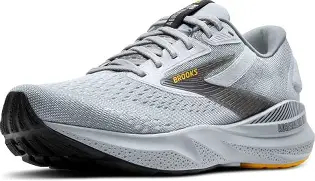
The upper of the Adrenaline Gts 24 prioritizes a secure, breathable fit. An engineered mesh or knit (depending on the colorway and market) forms the majority of the top layer, intended to manage airflow while providing a close, adaptive wrap around the forefoot. Reinforced overlays are placed in high-stress zones to improve lockdown during acceleration and quick direction changes. For many buyers, upper design translates directly into perceived comfort during long runs and daily wear; the Adrenaline Gts 24 leans toward a comfortably snug profile that accommodates moderate foot motion without feeling tight.
Midsole Cushioning and Responsiveness
At the heart of the Adrenaline Gts 24 is an updated midsole foam formulation that emphasizes a soft ride with stable support. The midsole is tuned to provide shock attenuation for daily miles, making it well-suited for recovery runs, long runs, and easy-to-moderate training. The balance of cushioning and responsiveness will be particularly relevant to runners who prioritize joint protection but still want enough return to keep cadence without a heavy, mushy sensation. Real-world testing typically shows that this shoe performs best in the 5K+ range where consistent comfort over time matters most.
Stability System
The Adrenaline line is defined by its stability architecture. The Gts 24 continues to use a guidance or stability framework that limits excessive inward roll (overpronation) without forcing a mechanical, uncomfortable correction. This approach is intended to feel natural: it nudges the foot toward neutral alignment only when needed. Runners with mild-to-moderate pronation tend to report that such systems reduce fatigue and perceived instability on longer efforts. The shoe's stability is integrated into the midsole rather than relying on intrusive medial posts, which helps maintain a more consistent ride across different paces.
Outsole and Durability
Durable rubber compounds occupy the outsole's high-wear areas to extend life across pavement and light mixed surfaces. The tread pattern and flex grooves are designed for predictable transitions and efficient toe-off on the road. For buyers who log high weekly mileage, outsole longevity is a major consideration; the Adrenaline Gts 24's reinforced contact zones suggest a shoe that will retain performance for multiple hundred miles under typical recreational use, provided the runner's gait and terrain are within the shoe's intended scope.
Fit, Sizing, and Comfort
Fit tends to run true to size for most foot shapes, with an accommodating toe box that reduces pressure on long runs. The heel cup holds the rear of the foot securely without excessive friction. Those with very narrow feet may notice a little lateral wiggle unless they lace-lock; conversely, wide-footed runners generally find the forefoot room satisfactory. The internal padding around the collar and tongue focuses on minimizing hotspots, a small but meaningful detail for those who run multiple times per week.
Performance in Real-World Use Cases
Road training and weekday mileage: The Adrenaline Gts 24 is optimized for daily-mileage runners. It shines as a reliable trainer that makes moderate distances comfortable without feeling overly cumbersome.
Long runs and recovery: The cushioning and stability blend supports longer efforts, especially for runners seeking reduced impact-related fatigue. Recovery days benefit from the shoe’s softer midsole feel.
Shop the latest Electronics picks on Amazon.
See Deals →Tempo and faster workouts: While the Adrenaline can handle short tempo work, it is not the first choice for athletes seeking maximal speed or a super-responsive race-day shoe. It remains serviceable for tempo repeats when stability and comfort are priorities.
Walkers and cross-training: The supportive platform and cushioned ride make this a practical shoe for power walking, gym-based cardio, and casual cross-training sessions.
Where the Shoe Excels and Where It Falls Short
The Adrenaline Gts 24 excels at providing a reassuring combination of cushioning and support for day-to-day training and longer, low-intensity efforts. The stability system is subtle but effective for many runners who have tried more intrusive corrective designs. Breathability in warm conditions is improved over earlier iterations, and the outsole construction prioritizes longevity.
Limitations include relative weight and a modest lack of high-speed responsiveness when compared to dedicated tempo or racing shoes. Very narrow-footed runners may prefer a different, more snug-fitting model, and those who prioritize maximum energy return for fast efforts should compare alternatives built for speed rather than stability.
Pros & Cons
- Pros:
- Reliable balance of cushioning and structured support for daily training
- Subtle stability system that corrects only as necessary
- Comfortable, breathable upper with secure lockdown
- Durable outsole for extended mileage on pavement
- Versatile use cases: daily runs, long runs, recovery, walking
- Cons:
- Less responsive for fast tempo runs and races compared with specialized trainers
- May feel slightly heavy to runners who prefer a minimalist or race-day shoe
- Narrow-footed runners might need to size down or try a different model for a snug fit
- Not optimized for trail running or very uneven surfaces
How the Adrenaline Gts 24 Compares
The following table compares the Adrenaline Gts 24 to its immediate predecessor and a neutral daily trainer in the market. The goal is to highlight the trade-offs buyers typically consider: support level, ride character, and intended user.
| Model | Type | Best for | Cushioning | Stability | Approx. Weight (men's size 9) | Heel-to-toe Drop |
|---|---|---|---|---|---|---|
| Adrenaline Gts 24 | Stability trainer | Daily mileage, long runs, mild-to-moderate pronation | Plush with controlled responsiveness | Integrated guidance/stability system | Approximately 9–10 oz | Approximately 10–12 mm |
| Adrenaline Gts 23 | Stability trainer | Daily training with historic focus on support | Comfortable cushioning, slightly firmer than latest update | Same guidance-style stability, incremental refinement | Approximately 9–10 oz | Approximately 10–12 mm |
| Competitor: Neutral Daily Trainer | Neutral trainer | Runners seeking cushioning without corrective support | Varies: can be plush or responsive | None (neutral) | Often lighter, 8–9 oz | Typically 8–12 mm |
Buying Guide: What Buyers Typically Care About
Know Your Gait and Stability Needs
One of the first considerations for choosing the Adrenaline Gts 24 is whether the runner actually benefits from a stability shoe. Buyers typically fall into three categories: neutral runners, mild-to-moderate overpronators, and strong overpronators. The Gts 24 targets the middle group — those who benefit from guiding support without intrusive correction. A gait analysis at a specialty running store or with a coach can clarify this need; many runners discover they prefer the blend of support and cushioning the Adrenaline provides.
Prioritize Fit Over Features
Fit matters more than any marketing bullet. Key points to check when trying the Adrenaline Gts 24:
Find top-rated Electronics products at great prices.
Shop Amazon →- Ensure adequate toe box length — there should be about a thumb's width from the longest toe to the front of the shoe.
- Confirm the heel is secure but not pinching; a slipping heel can cause blisters and inefficiency.
- Test the width under load — walk or jog in-store if possible to feel whether the midfoot holds firmly.
Cushioning and Intended Use
Buyers often weigh cushioning against responsiveness. Those who log many easy miles and prioritize joint protection will favor the plush, forgiving midsole of the Adrenaline. Runners who need sharp responsiveness for speed sessions should consider pairing the Adrenaline with a lighter, speed-focused shoe on interval days.
Durability and Value
For regular runners who put up significant weekly mileage, outsole and midsole resilience is a primary concern. Durable rubber in high-wear zones and a robust midsole that resists rapid compression set make the Adrenaline a sound long-term choice for a training rotation. Buyers who value long life will also inspect stitching, upper reinforcement, and warranty or brand reputation for defects.
Sizing Tips and Break-In Recommendations
Sizing guidance for this shoe emphasizes trying on with running socks and testing for fit while the foot is slightly expanded after walking. Break-in time is typically minimal; however, it is wise to run a few short sessions before committing to a race. Lace adjustment strategies — such as a heel-lock or window-lacing — can fine-tune fit for different foot shapes.
Practical Tests Before Purchase
When evaluating the Adrenaline Gts 24 in a store or outside, consider these quick tests:
- Walk and perform a short jog to check transient comfort and arch support.
- Simulate long-run conditions by standing and shifting weight forward/backward to feel the midsole compression and rebound.
- Push the shoe laterally to sense how the stability elements engage during a roll-in motion.
Maintenance and Longevity Advice
To get the most from the Adrenaline Gts 24, rotate it with another pair of trainers if weekly mileage is high. Clean the upper with a soft brush and mild soap; avoid machine washing to prevent material degradation. Replace the shoe once cushioning noticeably compresses or if running mechanics feel less supported — for most recreational runners that point tends to appear between 350 and 600 miles, depending on weight, surface, and stride.
Conclusion
The Adrenaline Gts 24 represents a thoughtfully updated stability trainer that will appeal to a broad range of runners who want comfort, reliable support, and durability without sacrificing everyday wearability. For those who prioritize a stable platform for daily miles and longer recovery runs, it offers a compelling balance of cushioning and guidance. It is not meant to replace dedicated race-day flats or maximalist speed trainers, but as part of a balanced rotation it performs admirably. Buyers who value predictable, comfortable miles and a support system that blends rather than restricts will find the Adrenaline Gts 24 a professional, middle-of-the-road staple in the modern training arsenal.